


If there is one debate that never goes out of fashion among lovers of Spanish wine, it is Rioja vs. Ribera del Duero. Two legendary names, two prestigious regions and two ways of understanding red wine.
The honest answer is that one is not better than the other. The right question is: which one is better for you, for this occasion and for this dish?
Two great regions, one main grape and very different worlds
Both Rioja and Ribera del Duero build much of their identity around the same main grape: Tempranillo. In Rioja it is usually called Tempranillo, while in Ribera del Duero it is often known as Tinto Fino or Tinta del País.
The grape may be the same, but the results are very different. Wine is not only the variety: it is also territory, climate, soil and the hand of the winegrower.
Rioja: the elegance of tradition
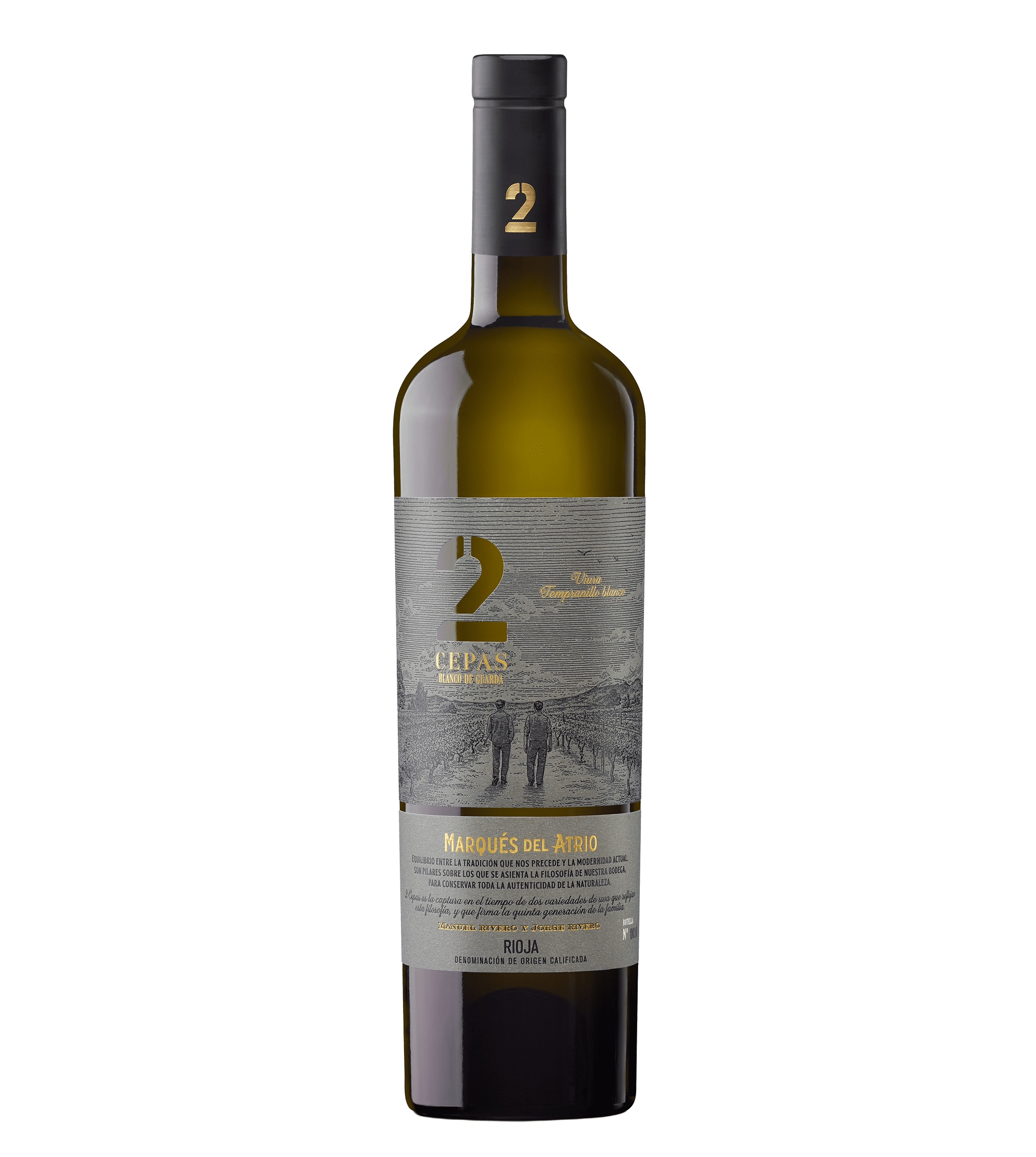
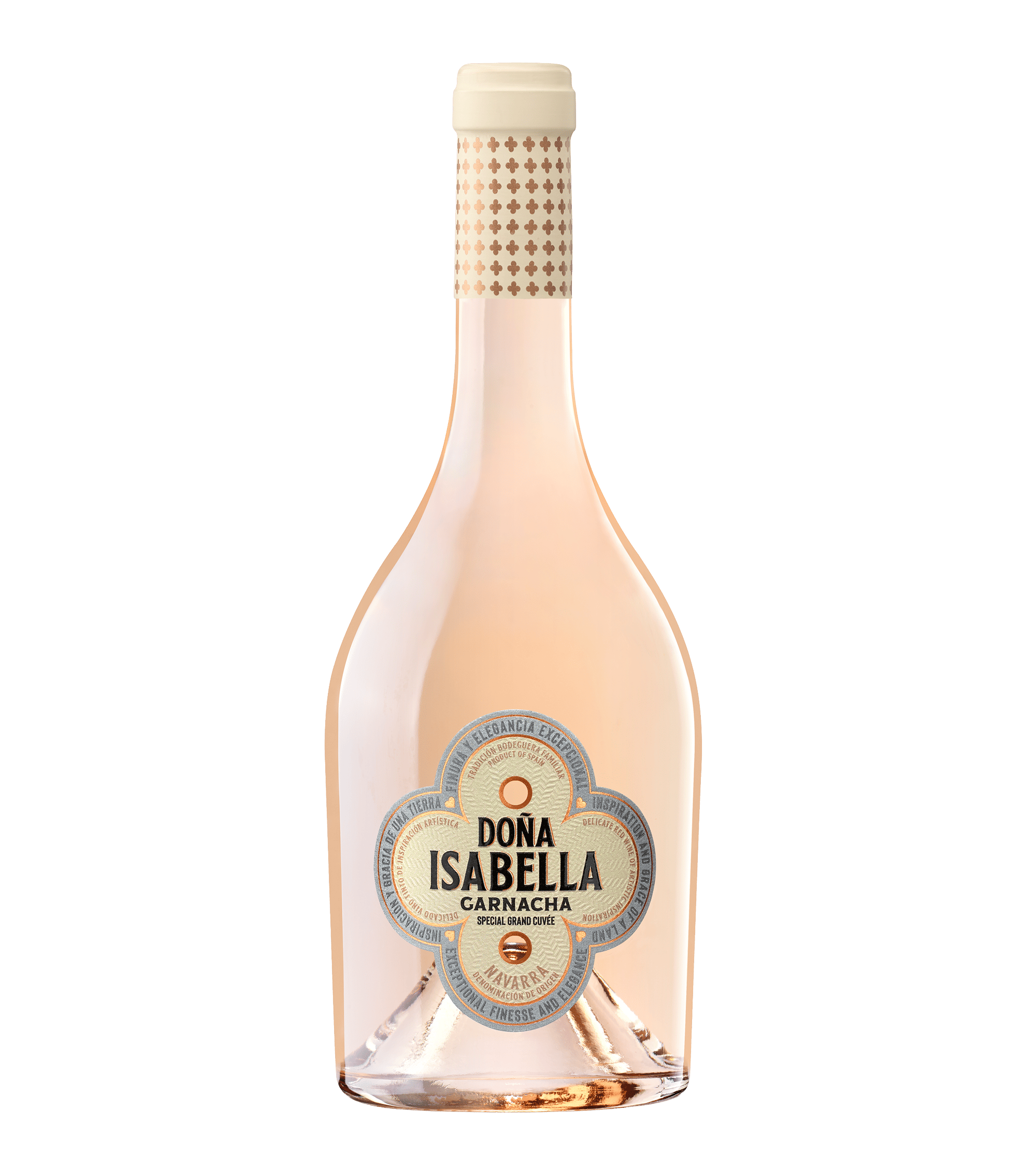
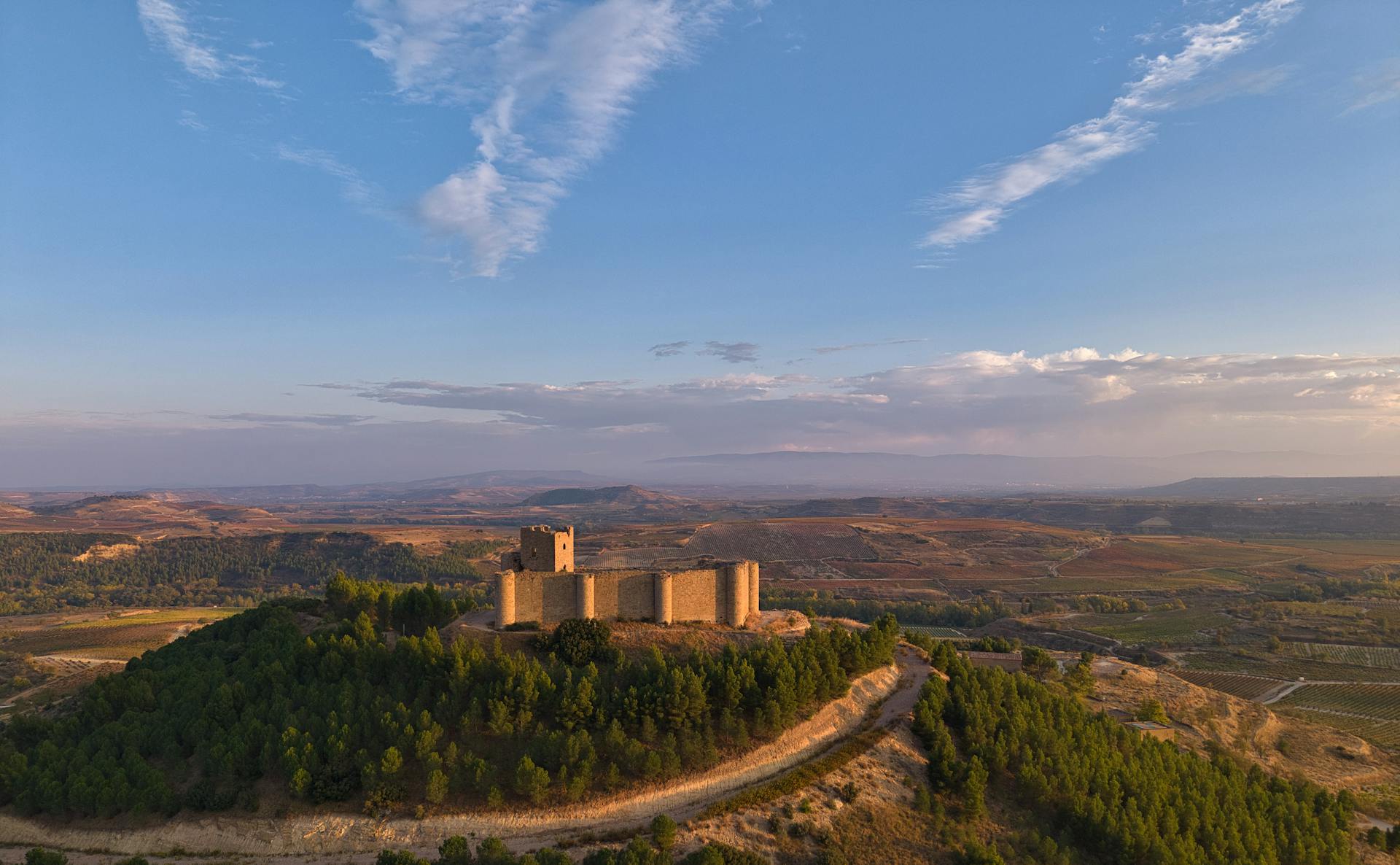
The Rioja Qualified Designation of Origin extends across La Rioja, Álava and Navarra. Its landscape is influenced by the Ebro River and by a fascinating balance between Atlantic and Mediterranean climates.
Rioja is traditionally associated with elegance, freshness, balance and ageing potential. Its wines often show red fruit, spice, subtle oak, polished tannins and a style that values harmony.
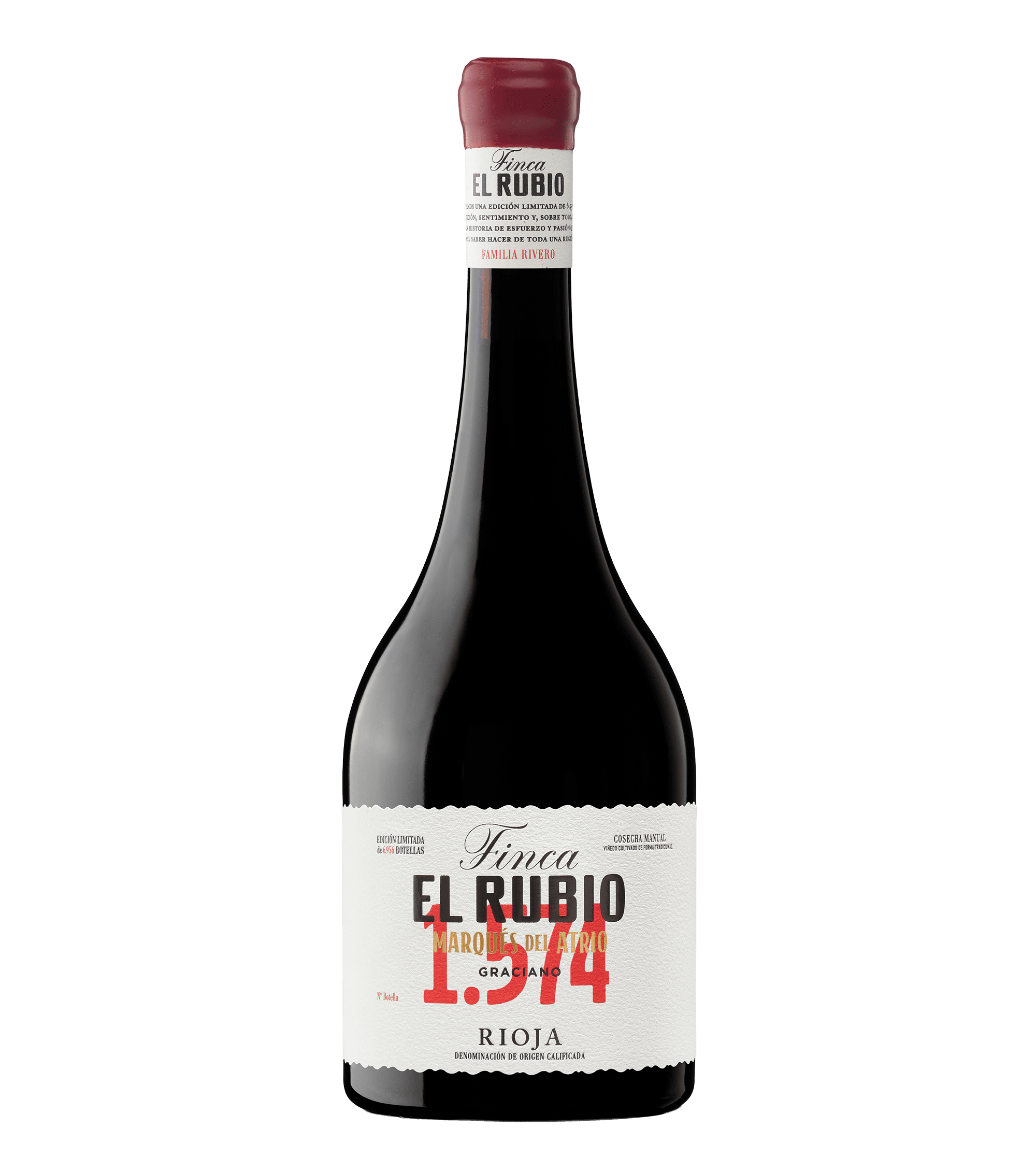
Another key feature is blending. Tempranillo is often combined with grapes such as Garnacha, Graciano or Mazuelo, which add fruit, colour, freshness or structure.
Ribera del Duero: intensity and depth
Ribera del Duero lies on the high plateau of Castilla y León, along the Duero River. Its vineyards are located at considerable altitude and experience hot days, cold nights and long, harsh winters.
This climate produces grapes with concentration, colour and structure. Ribera del Duero wines are usually powerful, deep and expressive, with notes of black fruit, ripe plum, cocoa, spice and well-marked tannins.
Main differences in the glass
- Style: Rioja tends to be more elegant and balanced; Ribera del Duero tends to be more intense and structured.
- Fruit profile: Rioja often leans towards red fruit and spice; Ribera del Duero usually shows darker fruit and greater concentration.
- Ageing: both regions produce wines with excellent ageing potential, but Rioja is especially known for long, graceful evolution in bottle.
- Food pairing: Rioja is very versatile; Ribera del Duero shines with more powerful dishes.
Which one should you choose?
Choose Rioja if you want a refined, balanced red wine with freshness and tradition. Choose Ribera del Duero if you prefer a wine with more body, intensity and depth.
In the end, the best option is not a fixed rule. It depends on the dish, the moment and your personal taste.